
A short history of Batu Caves
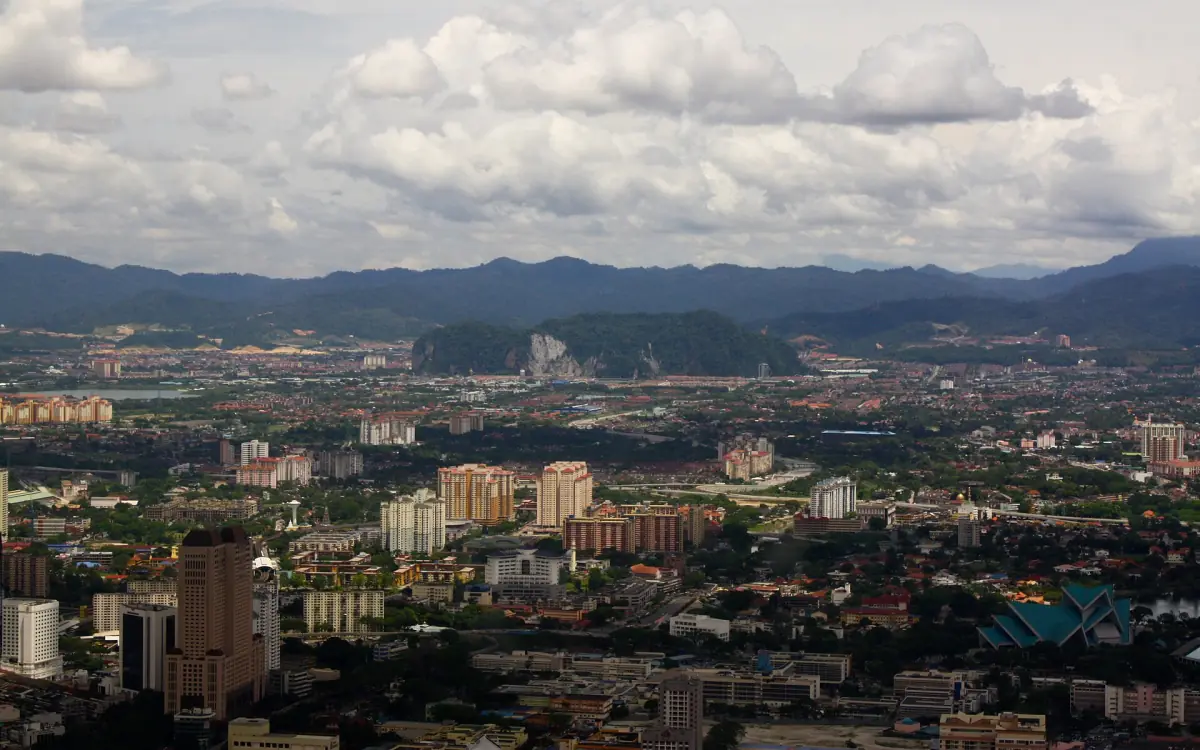
The rock is far older than the temple. Batu Caves is a limestone hill in Gombak, Selangor, about 13 km north of the centre of Kuala Lumpur. People sheltered in the caves and used them before the Sri Subramaniar Swamy temple existed, and the Hindu place of worship grew up inside this older landscape.
This page keeps the geology, the early use and the temple dates apart, because they are three different stories. If you would rather see the hill with a guide, compare the Batu Caves tours from Kuala Lumpur.
Limestone and caves: two different ages
The rock and the openings in it do not share one date.
The limestone
The hill is made of upper Silurian limestone. The rock is about 430 million years old.
The round number
You will often read about 400 million years. That is a rounded figure for the stone, not a measured date for every cave you can walk into today.
The caves
The caves formed inside the rock over a long time. There is no single date for when they opened, so do not equate the age of the stone with the age of the caves.
Our pick: the caves and the city's historic buildings
This tour visits the caves and the historic centre, which puts the site in the context of the city around it.
Hand-picked tours, booked through GetYourGuide. Prices are indicative starting prices in US dollars (as of October 2026). Tap a tour for live availability and the current price in your currency.
Batu Caves tours and day trips
Trips from Kuala Lumpur to Batu Caves, with live prices and availability.
People before the temple
The Temuan used the caves as shelter. Chinese settlers took guano from them, and a visitor named Hornaday came in 1878. That is why Batu Caves has no single moment of discovery: people used the hill before any later visit.
The Hindu temple came later. K. Thamboosamy is credited with promoting the hill as a place of worship, and the founding of the temple is dated to 1891, with the first Thaipusam celebrations in 1892. The building of the temple is dated to 1920, the same year as the wooden steps. Both dates are shown below.
Batu Caves facts at a glance
The main dates and figures in one place.
| What | Date or figure |
|---|---|
| Location | Gombak, Selangor, about 13 km north of central Kuala Lumpur |
| Age of the limestone | About 430 million years, often rounded to 400 million |
| Visit by Hornaday | 1878 |
| Temple founded or built | 1891 or 1920 |
| First Thaipusam celebrations | 1892 |
| Wooden steps | 1920 |
| Concrete steps | 1930 or 1940 |
| Painted in bright colours | August 2018 |
| Murugan statue inaugurated | January 2006, 42.7 m |
| Steps to the Temple Cave | 272 |
For most readers the useful reading is simple: the rock is ancient, the temple is more than a century old, and the colours on the stairs are recent.
Protected status
The hill was a reserve for public recreation from 1930 and was entered as a cultural heritage site in 2007. Those dates describe its status in the past, and the present boundaries and rules may differ, so follow the signs on the ground.
The stairs have changed with the years. The wooden steps came first, then concrete, and in August 2018 the concrete was painted in bright colours. Read more about the climb on the steps page, and about the figure at its foot on the Murugan statue page.
What you can still see today
The past is visible on the hill.
The painted stairs
The 272 steps have had their bright colours since August 2018. Concrete steps replaced the wooden ones decades earlier.
The cave temple
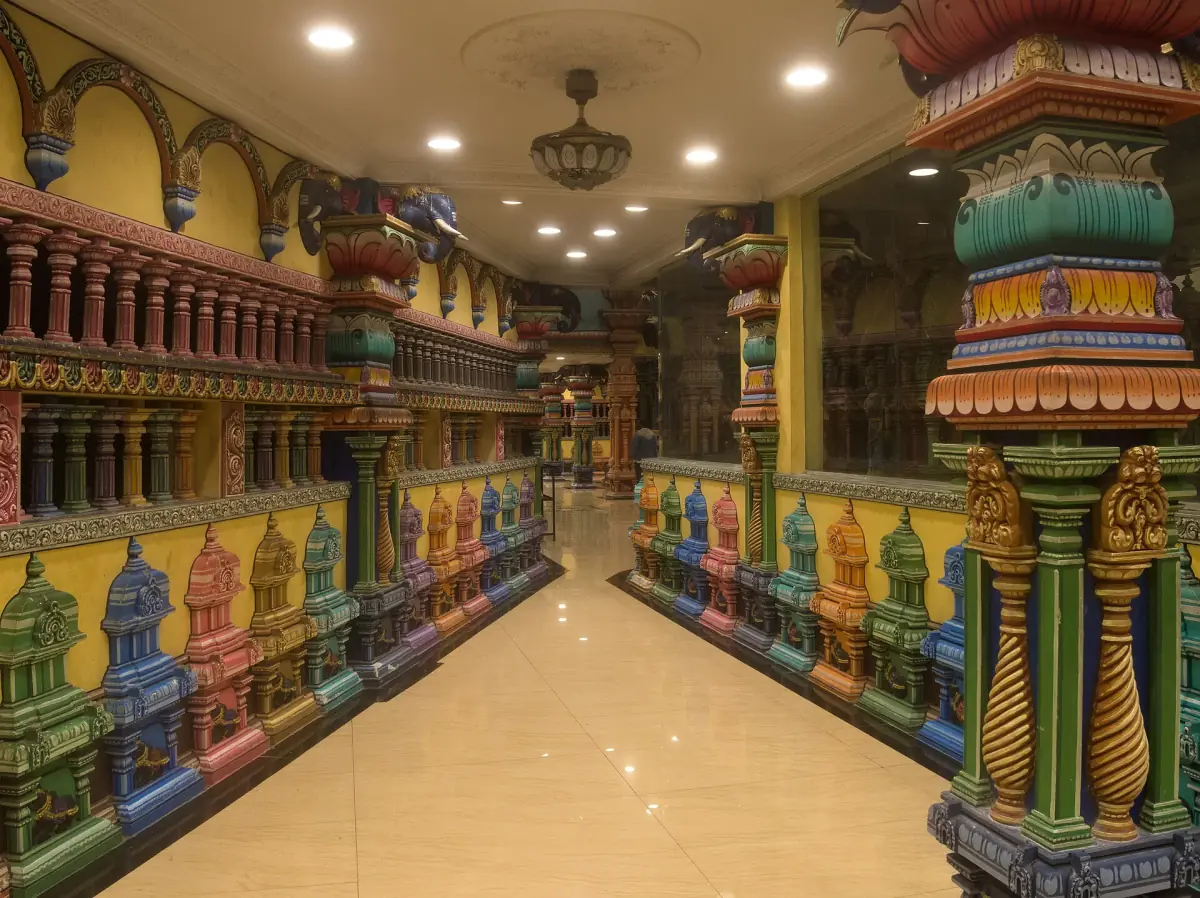
The Sri Subramaniar Swamy shrine is still an active place of worship, founded in 1891, with the building dated to 1920.
The statue
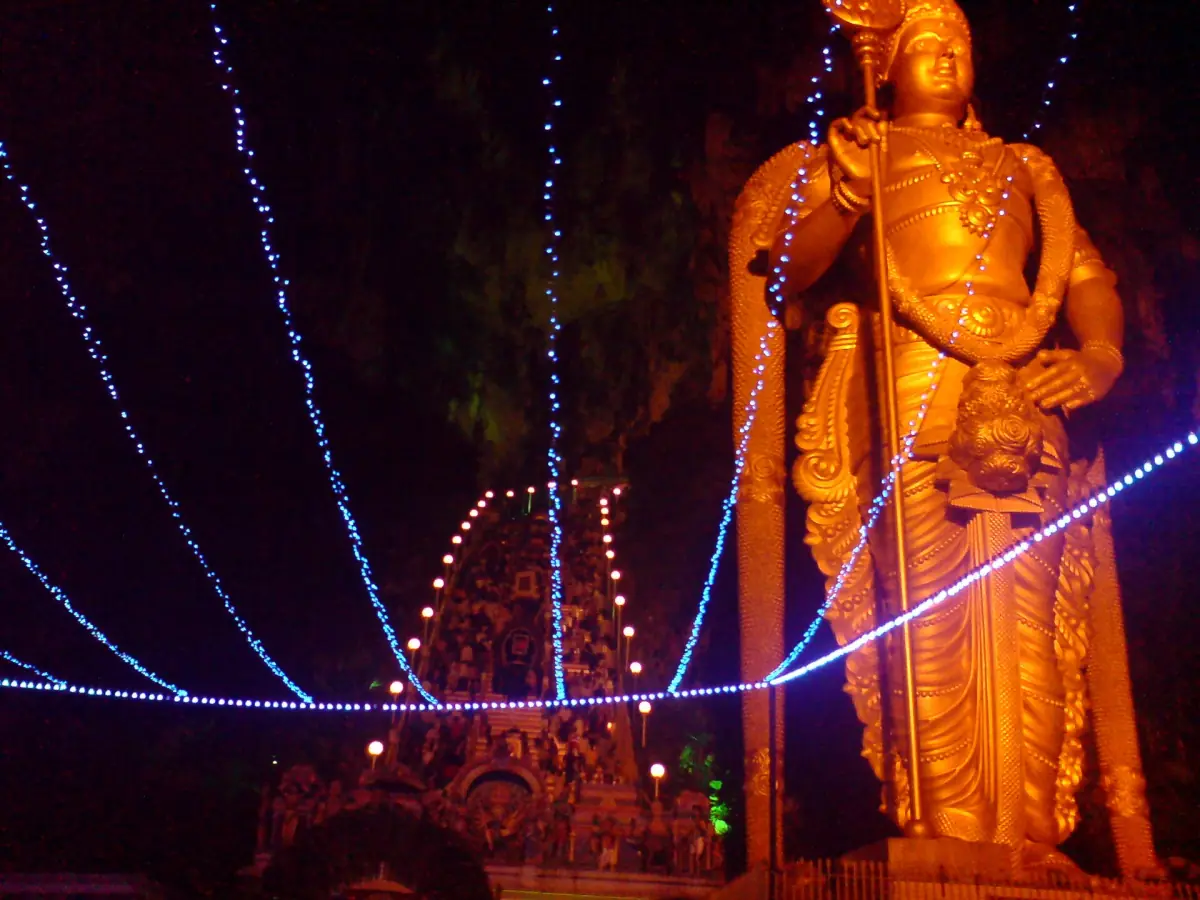
The Murugan statue, 42.7 m tall, was inaugurated in January 2006 and stands at the foot of the steps.
The festival
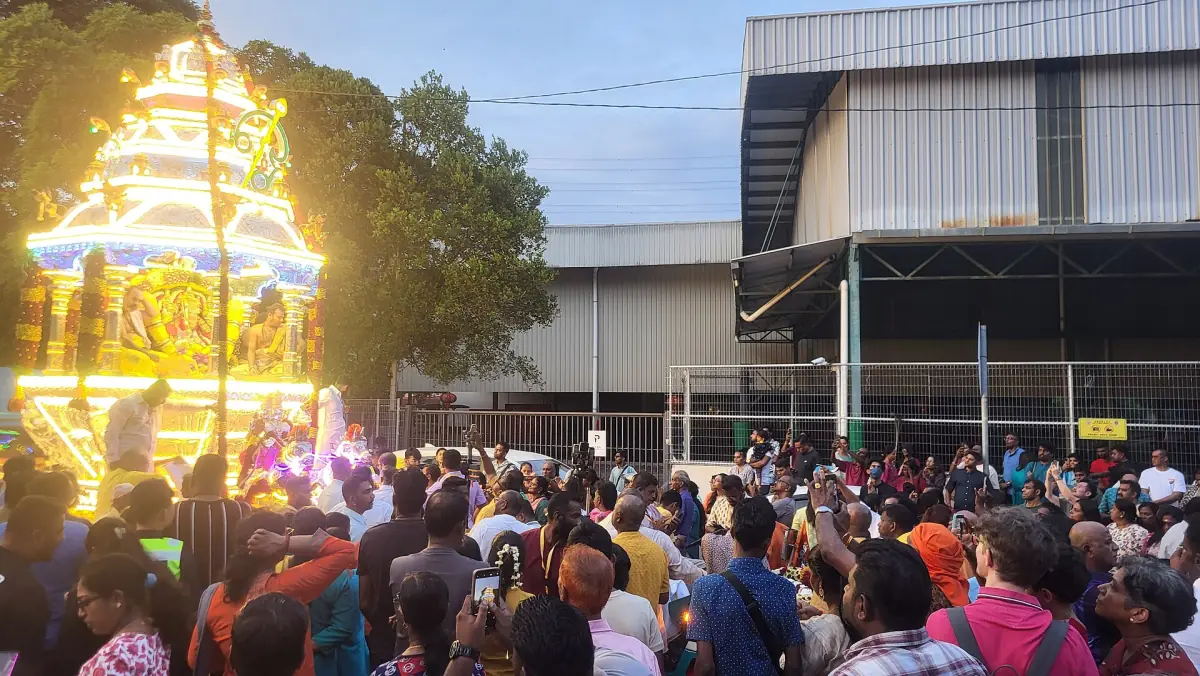
Thaipusam has been celebrated here since 1892, and the most recent one was held on 1 February 2026.
Dates for the temple
A date for the temple can refer to the start of worship, the building of the temple or the building of the steps. The years 1891 and 1920 belong to different events, so they do not sit on one timeline.
The same caution applies to the rock. An age of about 430 million years belongs to the limestone and says nothing about when a given cave opened. For the living side of the hill, read about the Temple Cave and the Ramayana Cave.
Continue your visit
From the past to the present-day place of worship.
Batu Caves history: frequently asked questions
How old are the Batu Caves?
The limestone is about 430 million years old, often rounded to 400 million. The caves formed inside it over time, and there is no single date for them.
When was the Batu Caves temple founded?
The founding of the temple is dated to 1891, with the first Thaipusam celebrations in 1892. The building of the temple is dated to 1920.
Who discovered Batu Caves?
There was no single discovery. The Temuan sheltered in the caves, Chinese settlers took guano, and Hornaday visited in 1878.
Is the limestone as old as the caves?
No. The stone is far older than the caves inside it. Treat the age of the rock and the age of the caves as separate questions.
When were the stairs painted in colour?
In August 2018. Before that the concrete steps dated from 1930 or 1940, and wooden steps from 1920 came earlier still.
Is Batu Caves protected?
It was a reserve for public recreation from 1930 and a cultural heritage site from 2007. Those dates describe its status in the past, so follow the rules on site.